From counties and states to global brands, the trusted choice for accessibility




Struggling to Meet Web Accessibility Requirements? We’re Here to Help
Government websites have to meet many accessibility requirements, and it can be overwhelming when starting out. We built Accessible Web RAMP to help clients with many pages, sites, and products get accessible quickly, without having to navigate laws alone. Start making progress today!
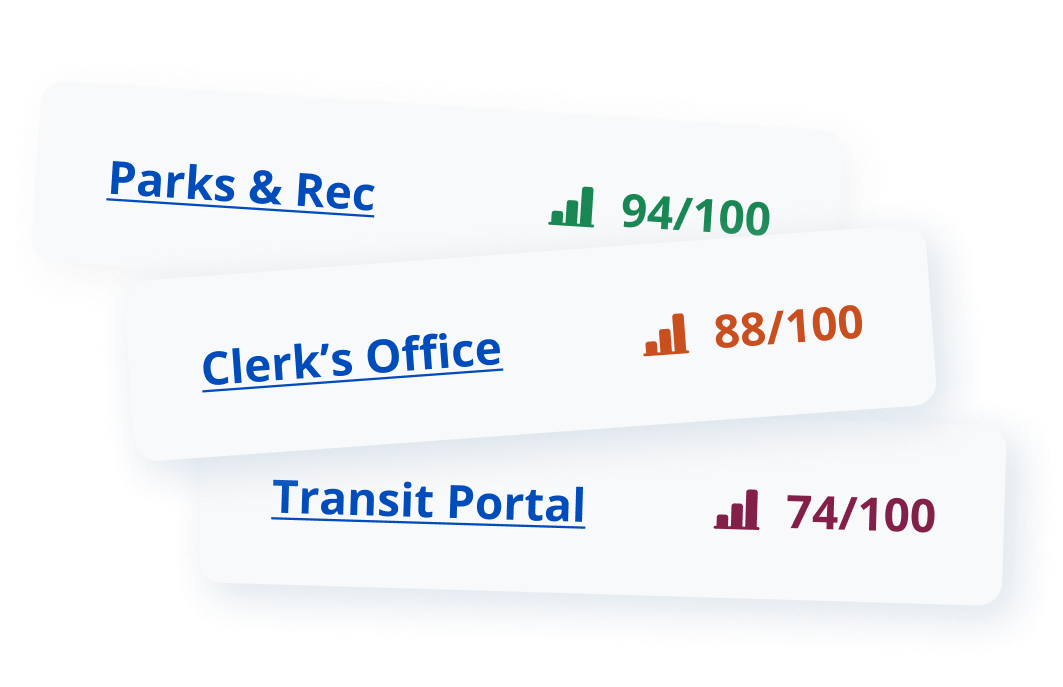
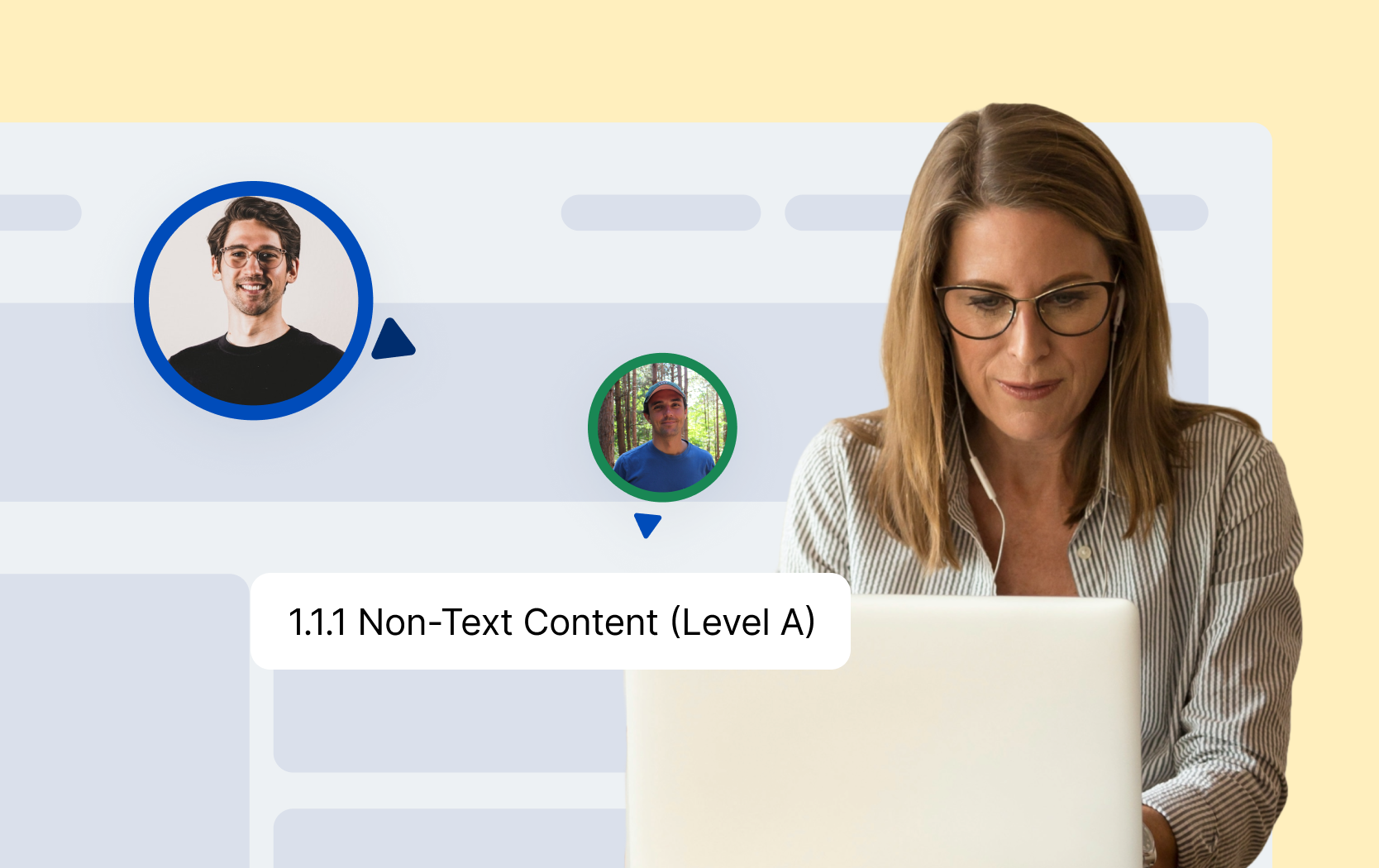
Don’t Go At It Alone
From courtesy onboarding, organizational goal setting, to specific violation advice, we’re here to support you at every step of your accessibility journey.
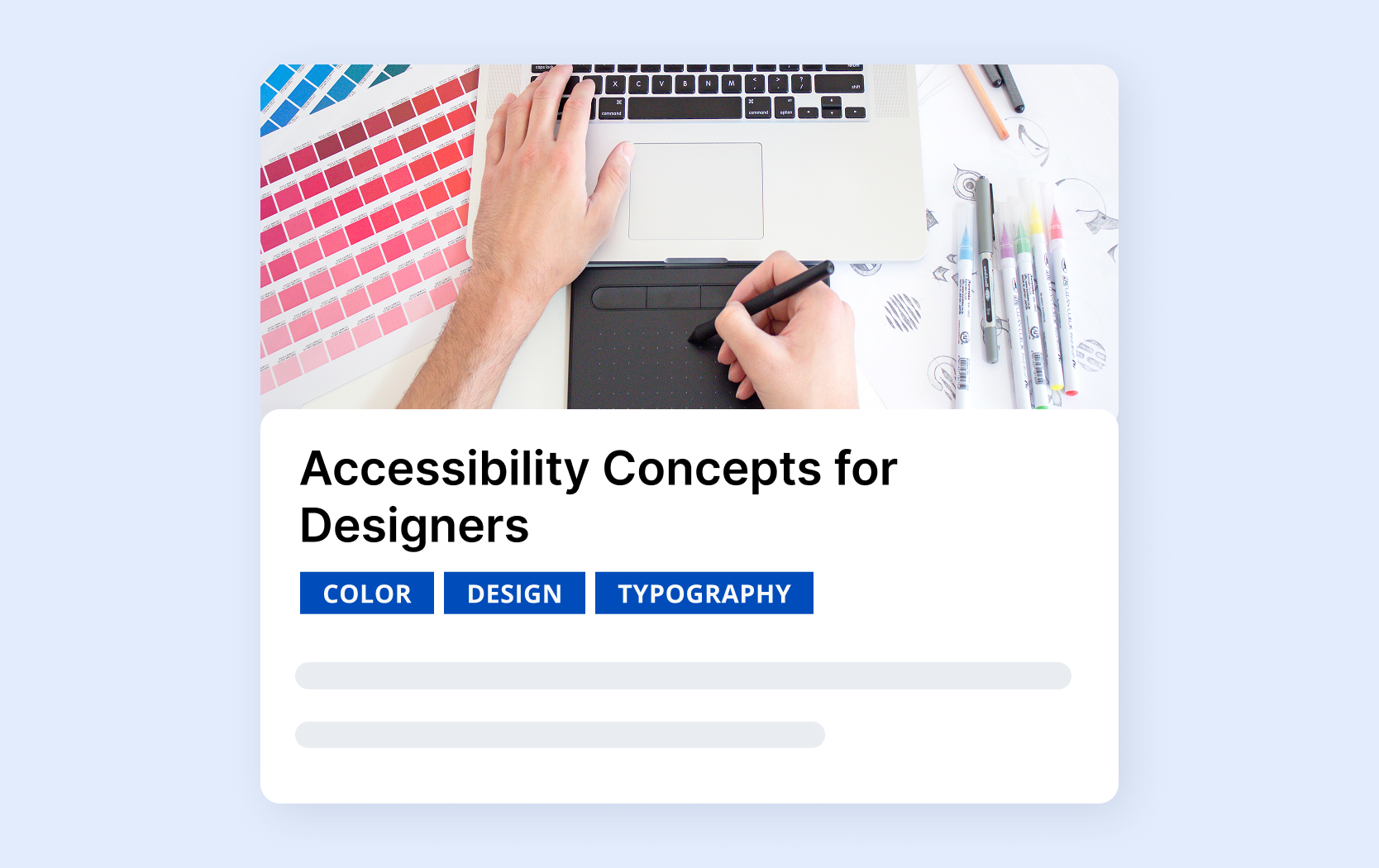
Provide + Learn Accessibility
Learn the Web Content Accessibility Guidelines (WCAG) as you implement them. Our tools don’t just make your platform accessible; they also teach you how to incorporate accessibility from the start.
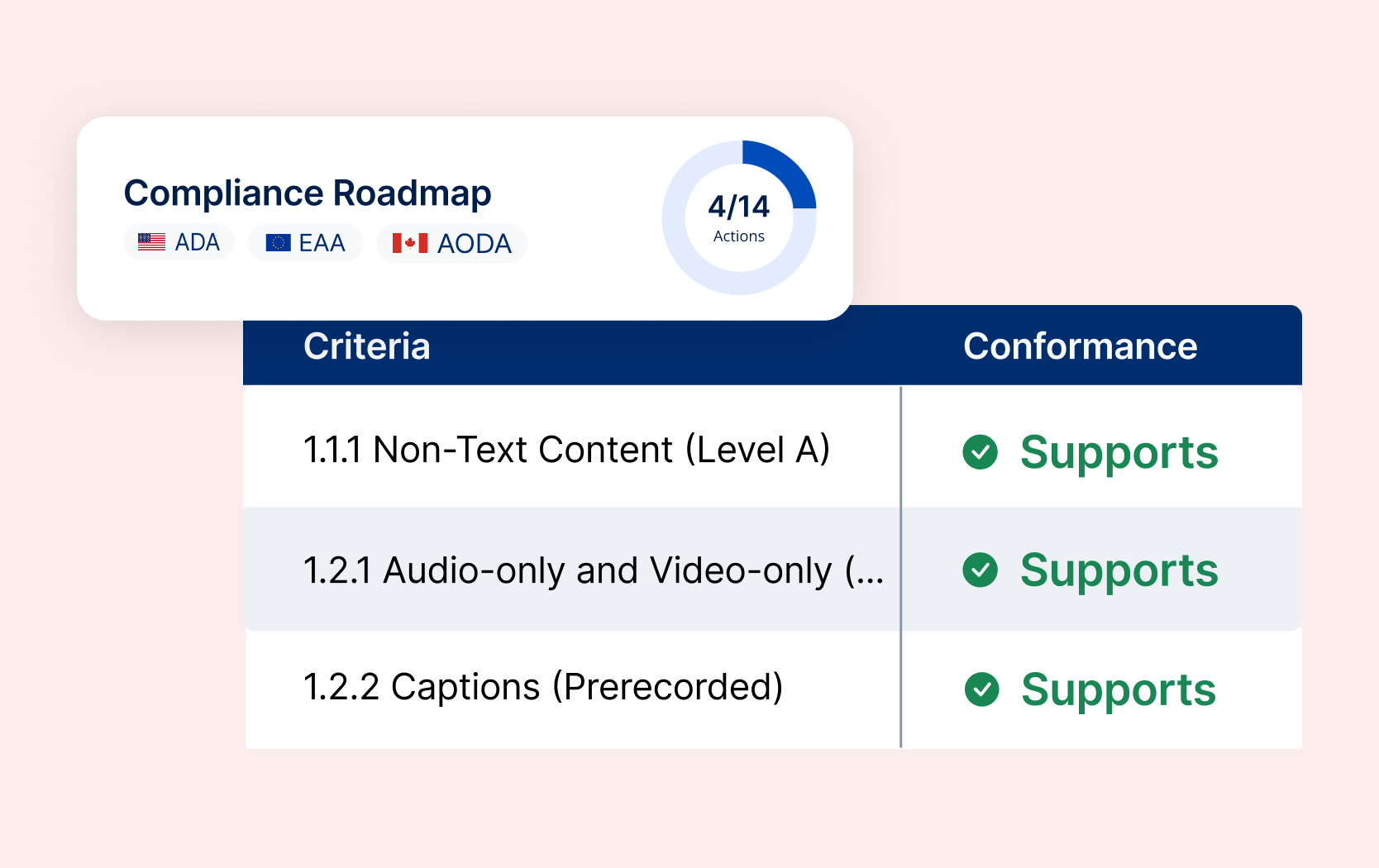
Get Compliant
We want to help you comply with accessibility laws and regulations quickly. Understand your current accessibility status by booking a VPAT or WCAG audit, or do it yourself using our tools.
More Accessibility Solutions
We want to meet you where you are, which is why we offer flexible accessibility tools to fit your needs. Our full platform gives you a base for all your accessibility needs.

Comprehensively audit for all WCAG success criteria.

Automatically track your manual audit progress.

Automatic categorization of accessibility barriers by severity.

A WCAG accessibility audit to match your needs, timeline, and budget.
Resources
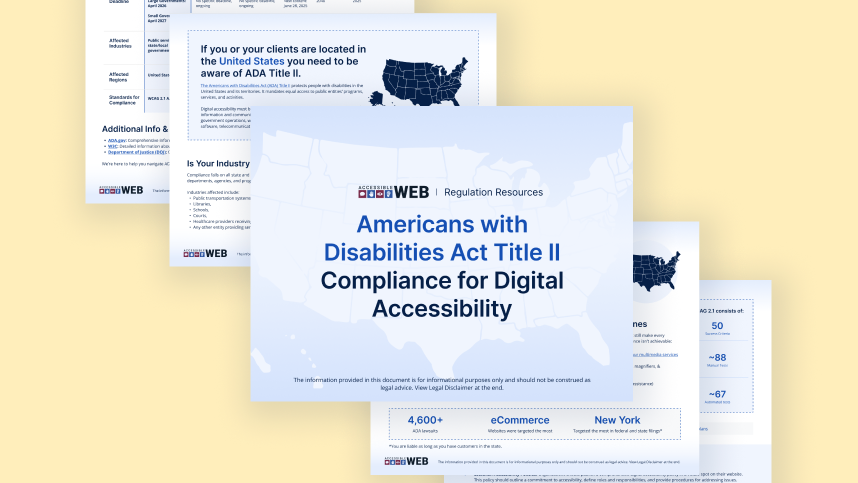
Playbook: ADA Title II Compliance for Digital Accessibility
A guide on meeting ADA Title II digital accessibility requirements for state & local governments, covering deadlines, who’s affected, and more.
Blog: ADA Title II Update & Its Broader Implications
An overview of the new ADA Title II update, what WCAG 2.1 AA compliance now requires, and how the changes could influence accessibility expectations beyond the public sector.
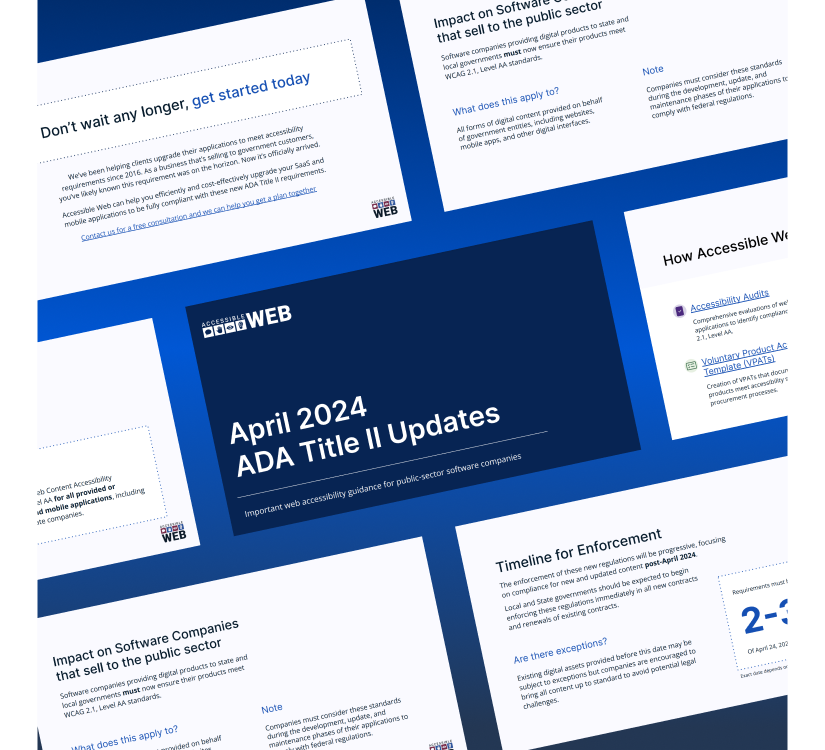
Playbook: April 2024 ADA Title II Updates
A guide outlining the April 2024 ADA Title II Update regulation, including who it covers, what standards must be met, and the deadlines to achieve compliance.
Webinars for Government and Public Entities
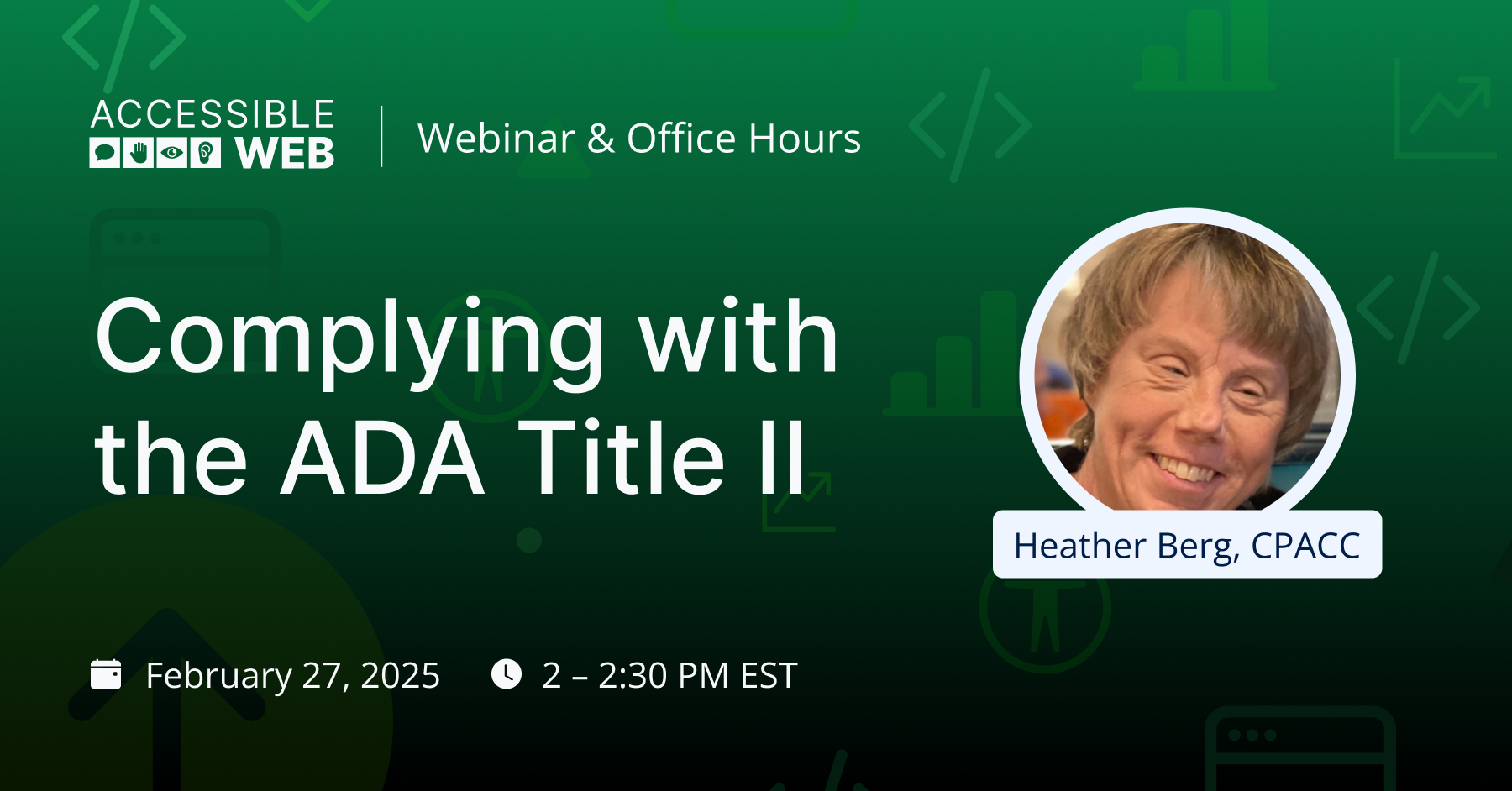
Complying with the ADA Title II
If you or your clients are a state or local government located in the United States or territories, you must know how to comply.
How to Plan & Budget for Accessibility
Practical guidance for agencies on setting priorities, building a strategy, and making accessibility sustainable long-term.

“Very clean reports that make it very obvious how to address [violations]…It gives us exactly what we’re looking for.”
— Michael K, Kesz1 Technologies




Ready to Get Started? Try RAMP for Free
Sign up for a free 14-day trial of RAMP and start discovering web accessibility issues on your website within minutes.
(14-day free trial – no credit card required)
FAQ
-
It depends if they’re being used. But, according to ADA, the following are exceptions: web content that has been archived, no longer used preexisting conventional electronic documents, content posted by third parties not acting on behalf of the public entity, previous social media posts, and password-protected documents.
-
We provide accessibility coverage from the initial finding of digital accessibility violations to ongoing monitoring. If you find and fix all violations found using digital and manual accessibility testing, you should be compliant with Section 508 of the Rehabilitation Act.
-
Section 508 is a cornerstone of U.S. disability law. Complying means ensuring that federal agencies’ digital offerings are accessible to everyone, regardless of their abilities.
-
The Americans with Disabilities Act (ADA) Title II protects people with disabilities in the United States and its territories. It mandates equal access to public entities’ programs, services, and activities. Digital accessibility must be incorporated into the design and implementation of information and communication technologies (ICT) including all state and local government operations, websites, mobile applications, online forms, digital documents, software, telecommunications systems, ATMs, and self-service kiosks.
-
Government sites need to follow accessibility laws and regulations, such as the ADA and Section 508. How? Generally by following the W3C Web Content Accessibility Guidelines. Processes and ICT must be accessible to everyone.