From clinics and telehealth services to global brands, the trusted choice for accessibility




Online Healthcare Services?Don’t Leave People Behind
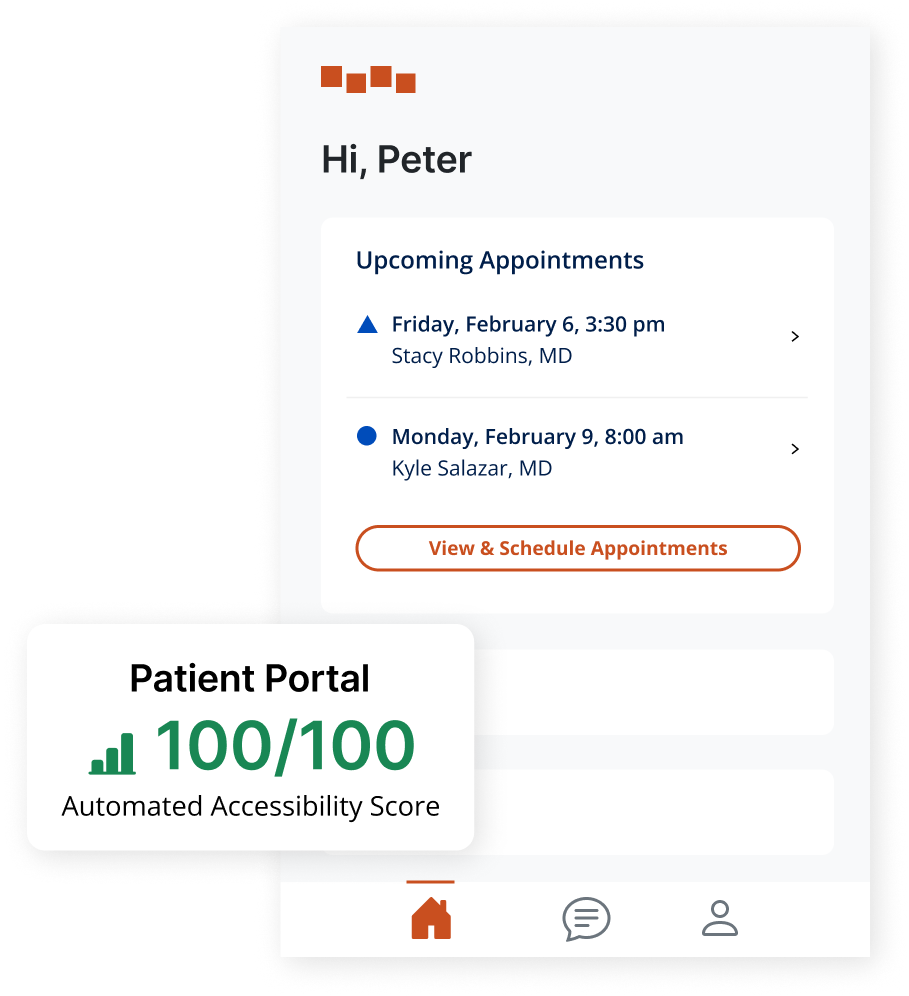
People encounter many digital barriers when interacting with websites and telehealth systems. When patient care is available online, you must ensure that all users can access their information and interact with your digital services, allowing them to focus on their health.
Don’t Go At It Alone
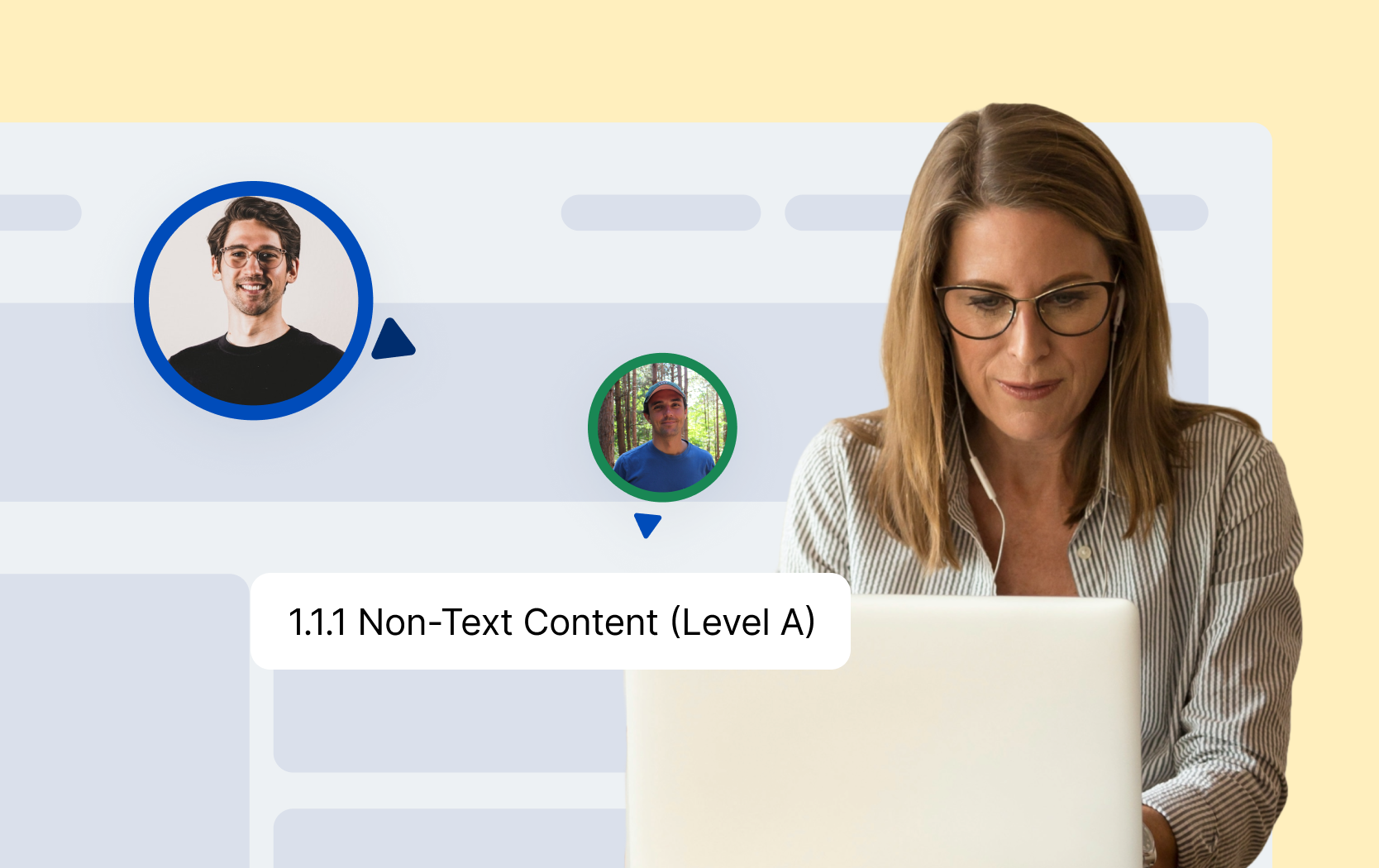
From courtesy onboarding, organizational goal setting, to specific violation advice, we’re here to support you at every step of your accessibility journey.
Provide + Learn Accessibility
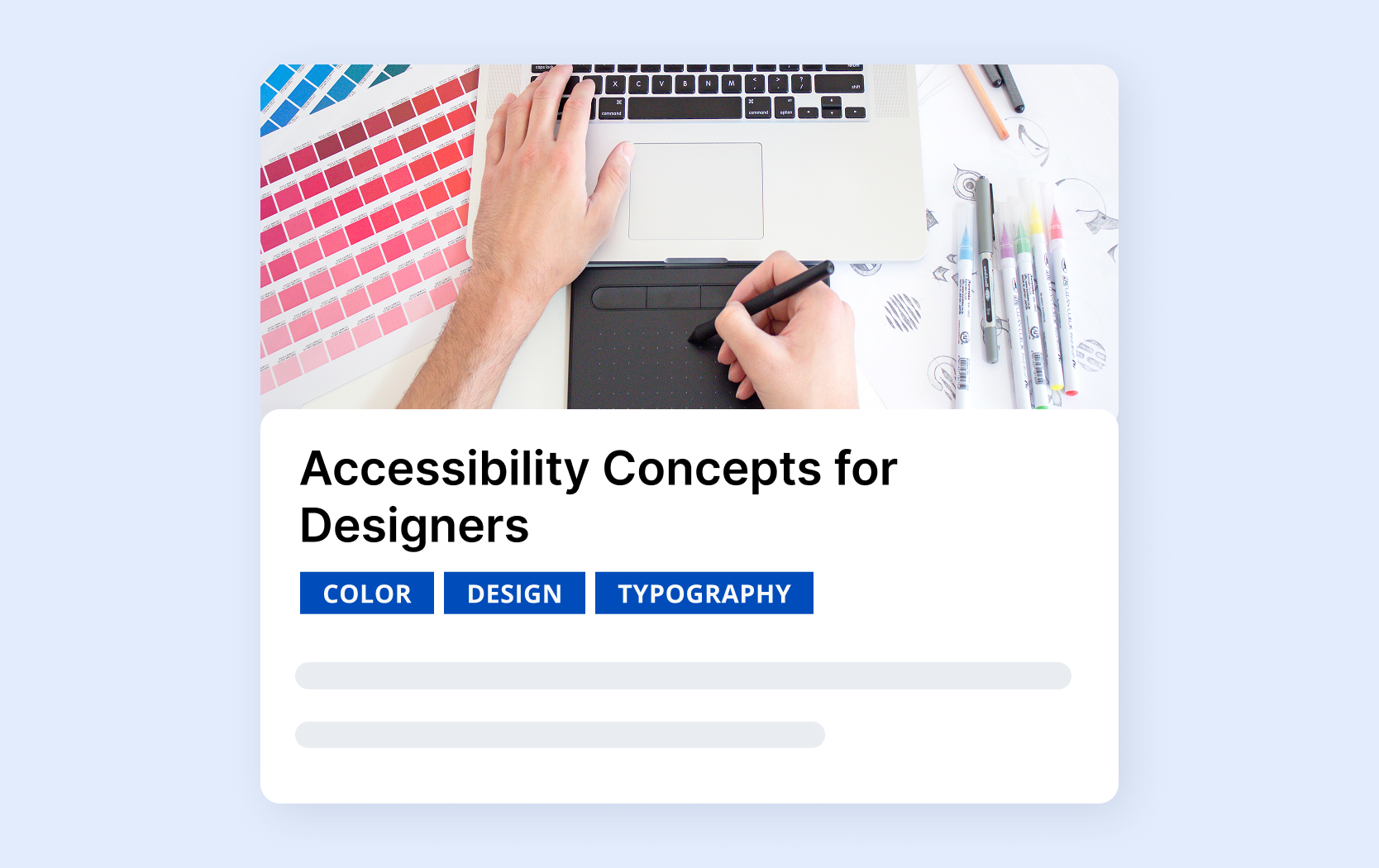
Learn the Web Content Accessibility Guidelines (WCAG) as you implement them. Our tools don’t just make your platform accessible; they also teach you how to incorporate accessibility from the start.
Get Compliant
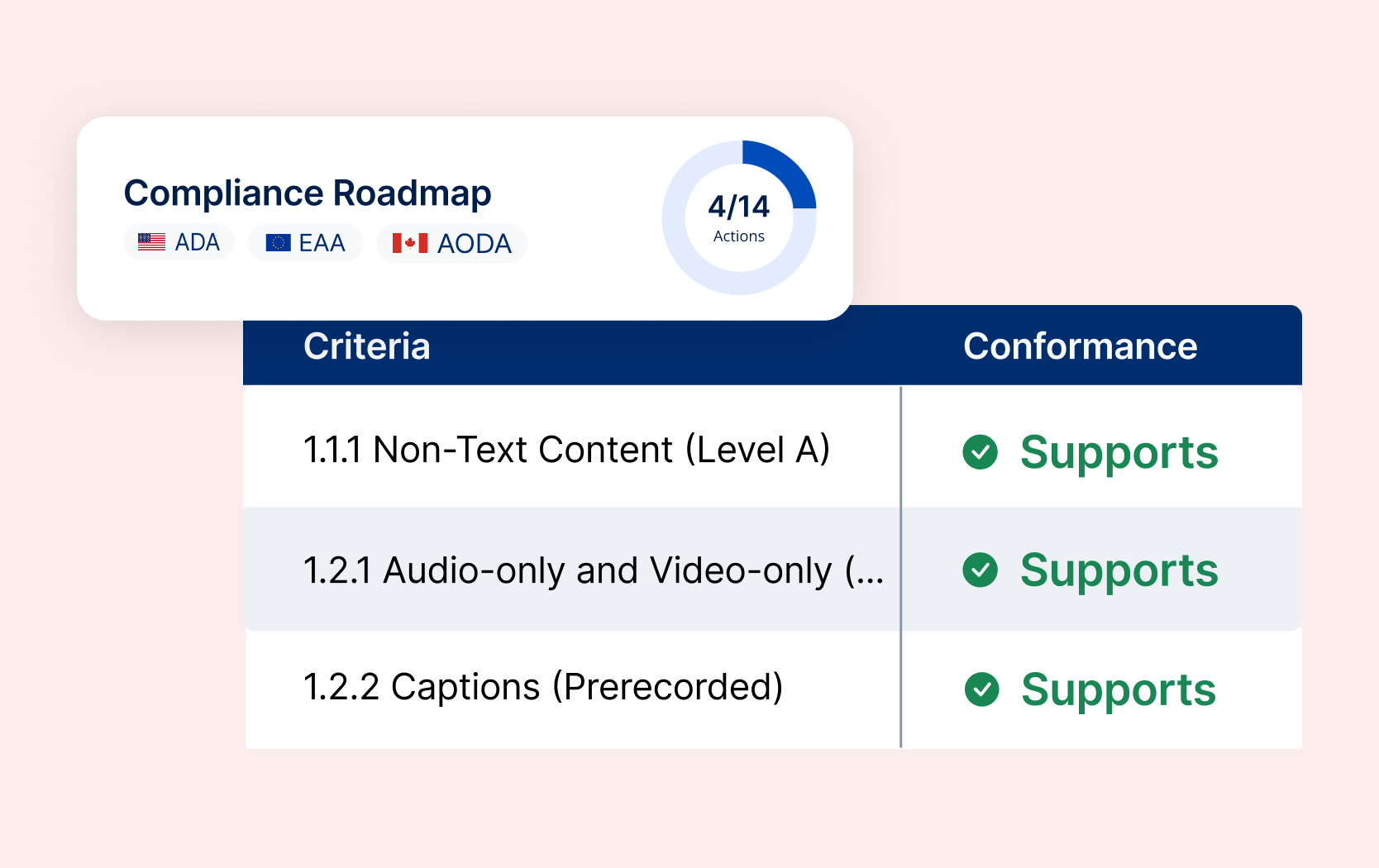
We want to help you comply with accessibility laws like, ADA Title II and III, and regulations quickly. Understand your current accessibility status by booking a VPAT or WCAG audit, or do it yourself using our tools.
More Accessibility Solutions
We want to meet you where you are, which is why we offer flexible accessibility tools to fit your needs. Our full platform gives you a base for all your accessibility needs.

Comprehensively audit for all WCAG success criteria.

Automatically track your manual audit progress.

Automatic categorization of accessibility barriers by severity.

A WCAG accessibility audit to match your needs, timeline, and budget.
Resources
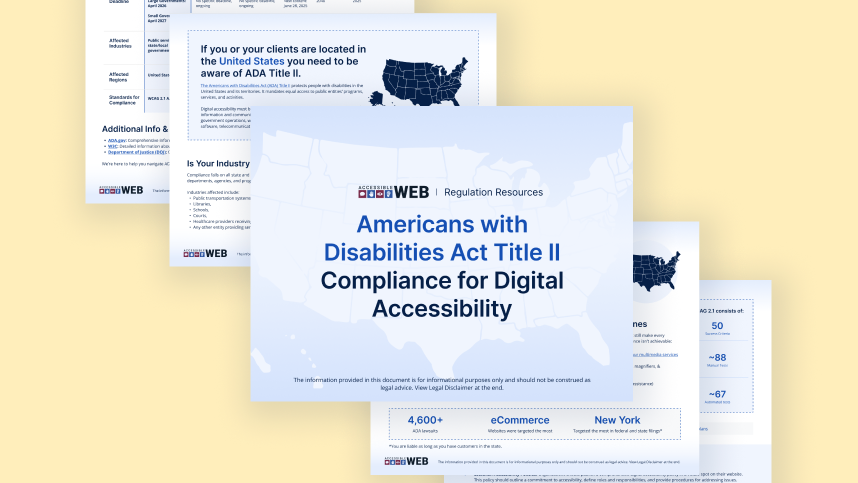
Playbook: ADA Title II Compliance for Digital Accessibility
A guide on meeting ADA Title II digital accessibility requirements for state & local governments, covering deadlines, who’s affected, and more.
Blog: ADA Title II Update & Its Broader Implications
An overview of the new ADA Title II update, what WCAG 2.1 AA compliance now requires, and how the changes could influence accessibility expectations beyond the public sector.
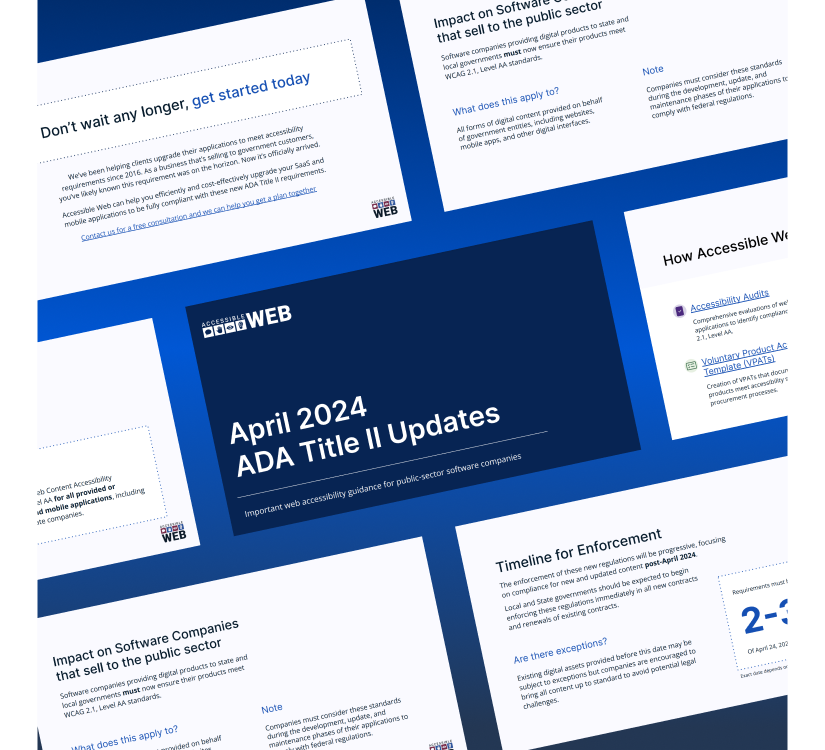
Playbook: April 2024 ADA Title II Updates
A guide outlining the April 2024 ADA Title II Update regulation, including who it covers, what standards must be met, and the deadlines to achieve compliance.
Webinars for Healthcare Professionals

Complying with the ADA Title II
If you or your clients are a state or local government located in the United States or territories, you must know how to comply.
How to Plan & Budget for Accessibility
Practical guidance for agencies on setting priorities, building a strategy, and making accessibility sustainable long-term.

“Thanks again for the patience and willingness to collaborate with our requests! We were able to reach an accessible product that continues to align with our branding strategy!”
— Camille, Project Manager




Ready to Get Started? Try RAMP for Free
Sign up for a free 14-day trial of RAMP and start discovering web accessibility issues on your website within minutes.
(14-day free trial – no credit card required)
FAQ
-
Digital equity in healthcare relates to the principle of digital accessibility and inclusion.
- Digital accessibility involves the application of practices in the digital space to ensure inclusion, meaning websites and applications should be perceivable, operable, usable, and robust for every user, regardless of ability.
- Achieving this digital equity is considered an ethical and legal obligation, ensuring that people are not excluded from online spaces based on their abilities
-
Healthcare services and organizations must be accessible as health services increasingly shift online. To remove obstacles, ensure all users can access their information and interact with your digital services by following WCAG guidelines. Our software integrates this with our tools.
-
- Legal Compliance: The Americans with Disabilities Act (ADA), specifically Title II and Title III, mandates that both public and private healthcare facilities must be accessible.
- Patient Care: Since patient care often begins on the web, accessibility is crucial for removing barriers in websites and telehealth systems for people with disabilities, allowing all users to access their information and focus on their health.
- Benefits: Accessibility provides several organizational advantages:
- Inclusion – It ensures equal access to content for all users, regardless of ability.
- Usability – Removing frustration points within the digital experience creates an enhanced user experience for everyone.
- Legal Protection / Compliance – It reduces the risk of lawsuits and their resulting financial impact.
- Financial – Providing equal access can lead to gaining more funding and adopting more efficient practices.